
Airsoft Gear & Ammo: What Actually Matters
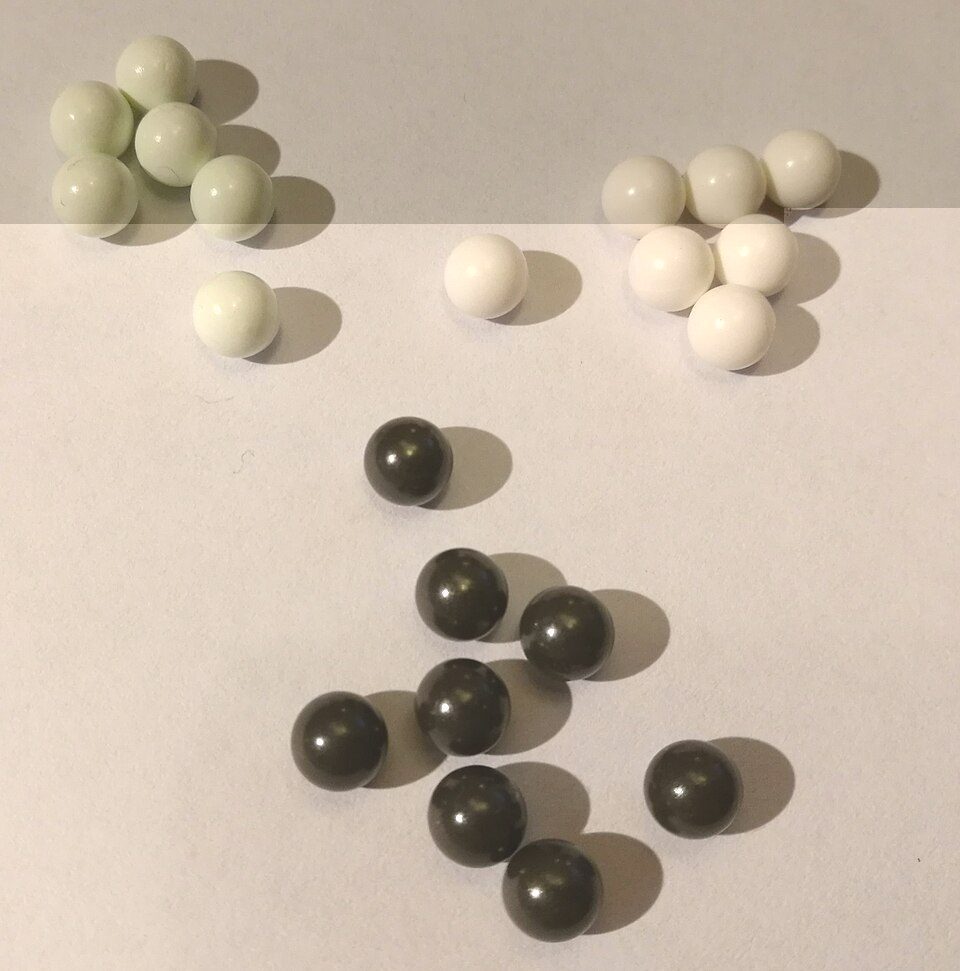
Most "best gear" content is really just a list of products with affiliate links attached. That's not very useful when you're trying to figure out what BB weight to run, whether a plate carrier makes sense for your playstyle, or why your GBB pistol suddenly stopped cycling. This is a straight breakdown of the gear and ammo choices that actually affect how a game plays out, sourced from retailer testing data, manufacturer specs, and the one real safety standard that exists for airsoft eye protection. Anything we couldn't verify got left out or flagged rather than guessed at.
BB Weight: Picking the Right Ammo for the Job
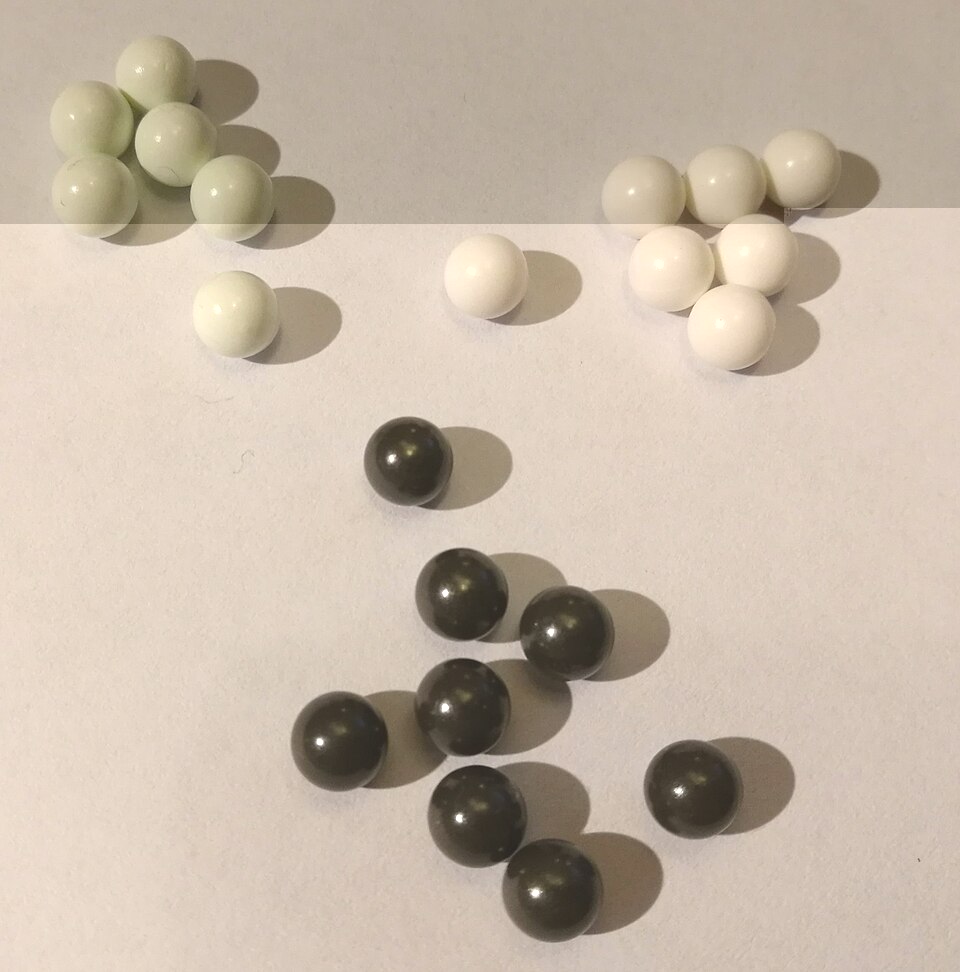
BB weight is one of the few gear choices with real, measurable physics behind it. Heavier BBs leave the barrel slower, but they hold their energy and fly straighter over distance. Lighter BBs launch faster but drift more in wind and lose accuracy at range. Neither is "better," they're just tuned for different engagement distances.
0.20g is the industry baseline most fields use for chronographing guns. It suits indoor CQB and entry-level replicas, and gives the highest muzzle velocity of the common weights, at the cost of stability. 0.25g is the most popular all-around choice for general skirmishing with AEGs and gas pistols. 0.28g is built for outdoor play. In Airsoft GI's own field test, 0.28g BBs scored the most hits of any weight tested at maximum engagement distance. 0.30 to 0.32g suits upgraded rifles and DMRs built for precision, and 0.36g and up is reserved for bolt-action sniper builds that need stability over very long shots.
There's a ceiling, though. Airsoft GI's testing found that with BBs at 0.34g and heavier, their test gun's hop-up couldn't put enough backspin on the round to keep it flying flat. Heavier isn't automatically better if your gun can't spin it correctly. Quality matters just as much as weight: inconsistent, poorly seamed BBs are a common cause of jams and can damage your gearbox and barrel over time, regardless of what weight you're running.
Biodegradable BBs: Why Fields Require Them
Bio BBs are made from plant-derived polymer blends, commonly PLA-based, engineered to break down under the right environmental conditions over time. Plenty of outdoor fields and organized events require them outright, partly by policy and partly out of concern for long-term plastic buildup on the terrain they use week after week. High-quality bio BBs are polished and seamless and perform comparably to standard BBs once matched to the right weight and hop-up setting, so the real quality gap comes down to the manufacturer, not the bio-versus-standard distinction itself. One caveat: don't assume a bag of bio BBs will vanish quickly if littered. Real-world outdoor degradation tends to be a lot slower than the lab and industrial-composting conditions used in testing.
Eye and Face Protection
This is the one category where "good enough" isn't a real option. The airsoft-specific safety standard is ASTM F2879, built specifically to reduce eye and adnexa injury from 6mm airsoft projectiles, and full-seal goggles with a retention strap beat open-frame glasses every time, since BBs will find any gap around a lens. We've already written a full breakdown of what the different certifications actually mean and where fields draw the line on mesh versus solid lenses: Airsoft Eye & Face Protection Standards Explained. If you only read one linked article from this page, make it that one.
Plate Carrier, Chest Rig, or Vest
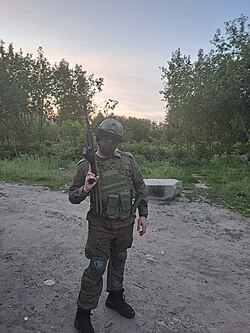
These three get used interchangeably in conversation, but they're built for different jobs. A plate carrier gives you the most MOLLE space front, back, and sides, which makes it the right call for milsim and extended outdoor ops, but a loaded carrier can weigh over 2kg and that adds up over a long day. A chest rig trades some capacity, usually just three or four rifle mags plus small utility pouches, for dramatically better ventilation and roughly half the weight, which makes it a better fit for CQB and indoor play. A tactical vest with sewn-in pouches is the simplest option of the three, though you lose the ability to reconfigure it. Speedsoft players generally skip all three in favor of a minimalist belt or micro rig, since a full plate carrier just slows you down in that format.
The most common fit mistake is sizing a carrier too loose, so the front plate bag hangs below the navel. That causes bounce with every step and gets in the way of movement. It should sit roughly from your collarbone to the bottom of your ribcage. The second most common mistake is the opposite problem: hanging something off every available MOLLE row until you're carrying a rig full of accessories you never actually use.
Magazines: Hi-Cap, Mid-Cap, and Real-Cap
Magazine type changes how a gun sounds and handles almost as much as the gun itself. Hi-cap magazines hold roughly 300 to 600 rounds (300 to 450 for M4-style, 400 to 600 for AK-style), using a wind-up wheel at the base to tension an internal spring. BBs rattle around loosely inside, which makes them noisy, and you'll need to periodically re-wind the mag as it empties. They're cheap, low-maintenance, and a reasonable default for beginners or support roles, but low on realism. Mid-cap magazines hold about 100 to 190 rounds and use a spring-loaded follower like a real firearm magazine, so they're silent and need a speedloader to refill. This is generally considered the standard for serious players, balancing practicality with realism. Real-cap magazines hold 30 to 75 rounds, matching real firearm capacity exactly, and are the choice for designated-marksman roles and hardcore milsim where reload discipline matters.
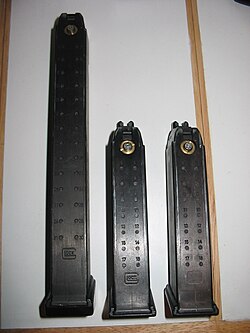
Before you show up to an organized event, check the rules — plenty of milsim games ban hi-caps specifically, to force players into realistic ammo management instead of carrying what's basically an unlimited magazine. And if you do run hi-caps, the single most common beginner mistake is forgetting to fully wind the mag, or under-winding it, which causes feed failures mid-game.
GBB Gas Types: Green Gas, CO2, and Propane
Green gas is the most common choice, sold in tins and filled through a bottom valve on the magazine. It's the fastest and easiest to refill and needs the least maintenance, since it carries a silicone lubricant that also conditions your O-ring seals as you use it. CO2 comes as 12g bulbs you swap out rather than refill, and it hits harder with a slower cooldown between shots than green gas, but it carries no lubricant at all, which dries out magazine seals over time and means more regular valve maintenance. Propane needs an adapter to use, and is essentially unlubricated green gas: highest power available, lowest cooldown, and the cheapest per shot, but it wears on your seals faster for the same lubrication reason as CO2, and needs maintenance gas applied after use and before storage.
One safety point worth taking seriously: never cross gas types in equipment not built for it. Green gas and propane typically run around 120psi, while room-temperature CO2 can reach roughly 800psi. Using CO2 in gear designed for green gas or propane is a real pressure mismatch, not just a performance compromise.
AEG Batteries: NiMH vs. LiPo
LiPo batteries are more compact and higher-power for their size than NiMH, which is why most modern AEGs ship built around them, but they're also more fragile and need specific handling. Always charge with a dedicated balance charger, never a NiMH charger, keep the balance lead connected the whole time, and never leave a pack charging unattended. A low-voltage alarm is worth the small cost to avoid over-discharging a cell. NiMH batteries are bulkier for the same capacity, but far more tolerant of basic chargers and rough handling, which still makes them a reasonable choice if you'd rather not think about charging discipline.
The fire-risk reputation around LiPo cells gets exaggerated in casual conversation, but it's not baseless: that's exactly why fire-resistant LiPo storage bags exist, to contain a failure if one ever happens, not because failures are common. Never expose a damaged pack to open flame or throw one in household trash. If your gun's rate of fire drops or the trigger response gets sluggish mid-game, that's usually a low battery, and running any LiPo pack fully flat causes permanent damage to the cell, so swap it out rather than pushing it further.
The Common Thread
You don't need more gear. You need what you already own matched to how and where you actually play — BB weight to your engagement range, magazine type to the realism level your group cares about, gas type to how often you're refilling between rounds. Most people who get frustrated with their loadout are running a mismatch somewhere in that chain, not missing some expensive upgrade.
And none of it matters if your eye and face protection is an afterthought, or your helmet doesn't actually fit — a loose or uncomfortable helmet undoes the benefit of getting everything else right. Read up on helmet fit and retention before your next game if you haven't already.